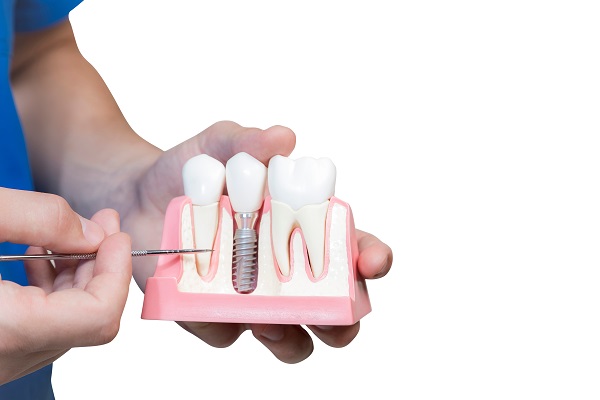
When it comes to replacing missing teeth, dental implants are among the most sought-after procedures by patients. Implants offer a long-lasting solution with the function and appearance of the natural teeth. Getting dental implants is hardly a quick procedure, as patients will usually need to go through multiple appointments and procedures spanning over several months. If you are thinking of opting for dental implants or have booked your first appointment, this article provides a guide to the procedure.
The evaluation appointment
Dental implants are not an option for everybody since there are procedural requirements. First, patients need adequate and healthy jawbone for successful implant placement. Since dental implants fall under fixed permanent restorations, the dentist may recommend other options for seniors who would probably never require replacements for traditional bridges or dentures throughout their lives.
To be sure the patient is eligible for dental implants, the dentist will perform an evaluation to mark the beginning of the implant procedure. This process is important for the success of the implant process. Health conditions and certain lifestyle habits like smoking and alcohol intake can affect how the bone heals around the implants.
Bone grafting
If the jawbone is not enough to support the implant, the dentist may recommend performing a bone graft procedure to augment the bone. This process can allow patients, who would otherwise be ineligible, get dental implants. The bone graft procedure is simple and short, and often involves the transfer of synthetic or natural bone material to the placement site to stimulate jawbone growth. There is usually a waiting period before the placement of implants, which depends on the size of the graft and the patient’s healing rate.
The placement of dental implants
The dentist will place the titanium metal post directly in the jawbone. The procedure typically lasts between one to two hours for single implant placement. Patients may be given specific dietary restrictions for some days after the procedure, but they will be able to eat soon after that. The common practice is to put a temporary dental crown over the head of the implant. Over the following three to six months, the implant will integrate with the jawbone in a process known as osseointegration.
Abutment and crown
After the jawbone integrates and heals around the implant, patients will return to get the abutment and permanent crown. This is usually the final stage of the dental implant process. The crown placed over the implant looks natural and gets adequate support to function like a real tooth. The dentist will keep track of the patient’s healing journey to ensure everything is in order. Patients will also receive specific instructions on caring for and maintaining the implant restoration.
In conclusion
Getting dental implants is not complicated. The dentist will guide you through the process and answer any question you have during the initial consultation. If you are ready to replace a lost tooth with an implant restoration, contact the dental office to book an appointment.
Request an appointment here: https://naturecoastdentistry.com or call Nature Coast Dentistry at (352) 350-1764 for an appointment in our Beverly Hills office.
Check out what others are saying about our dental services on Yelp: Dental Implants in Beverly Hills, FL.
Recent Posts
If you are looking to replace several teeth due to decay, infections, disease, injury, or other loss, then you may be looking for your options for a dental implant. The good news is that these procedures have been done frequently, and therefore, a lot of knowledge is known about the process and what to expect.…
When discussing denture adjustments, the topic can extend beyond those performed by a dentist. Adjustments to your lifestyle can also help ease the transition as you get used to your new dentures. Whether this is your first set of dentures or you just got a replacement pair, you may notice discomfort in the mouth and…
Dental veneers can refresh a smile by covering chips, stains, or uneven edges. After placement, daily habits help dental veneers stay comfortable and look natural. A general dentist can guide home care and follow-up visits so patients know what to do and what to avoid. New dental veneers often feel smooth and slightly different along…
There are many ways to keep your teeth bright, white, and healthy. However, you may see unfamiliar stains or shades on your teeth, making them appear gray. Fortunately, a general dentist can evaluate gray teeth by identifying the root cause of the change.It is common for teeth to change color, and it does not always…